Industry Background: Soil-Borne Pests Are a Growing Production Risk
Intensive cropping, shorter rotation windows, and rising land-use pressure have made soil health one of the most discussed topics in commercial agriculture. Among soil-borne challenges, plant-parasitic nematodes—especially root-knot species—remain difficult to manage with cultural practices alone. Feeder-root galling limits water and nutrient uptake, contributes to uneven crop development, and can increase vulnerability to secondary pathogens in the root zone.
For growers producing potatoes, tomatoes, peppers, melons, and other high-value crops, the economic impact is rarely limited to a single season. Nematode populations can persist in soil organic matter and root residues, building pressure across cycles until yield stability declines. That is why many production managers now treat soil fumigation not as an optional input, but as a planned step in pre-plant field preparation—particularly where transplant quality and early root establishment determine final grade-out.
International distributors and agrochemical traders follow the same trend. As methyl bromide has been phased down in many markets, buyers have shifted procurement toward registered alternatives with established field use. 1,3-Dichloropropene (CAS 542-75-6 for mixed isomer grades) has become one of the most referenced options in commercial nematode control programs, especially where large blocks are treated before planting.
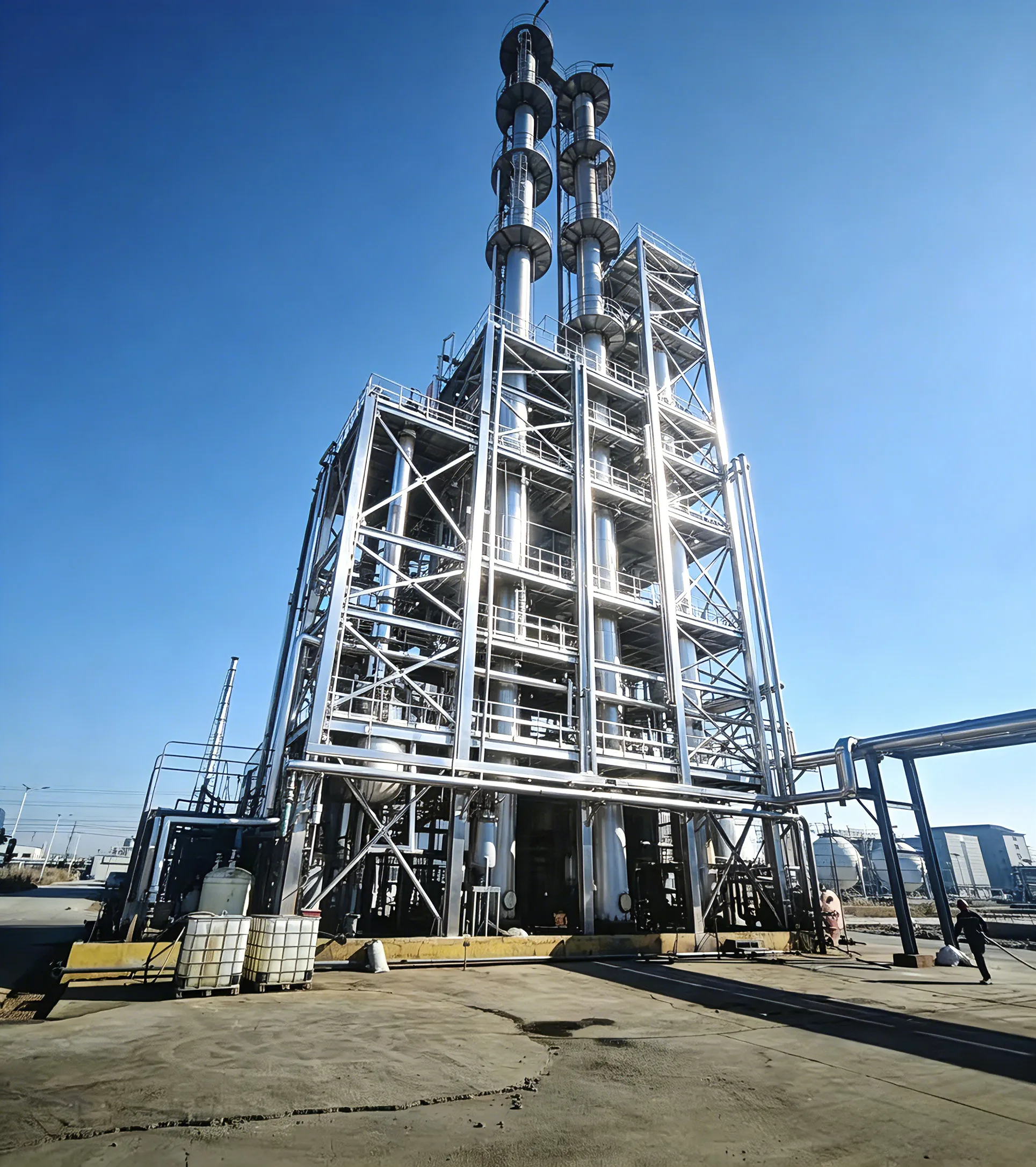
Why Soil Fumigation Matters in Modern Crop Programs
Soil fumigation is applied before planting to reduce pest and pathogen pressure in the treated soil profile. When executed according to local label requirements and agronomic guidance, pre-plant treatment can support several production goals that matter to both growers and downstream buyers:
- Yield stability — Cleaner root zones can help crops reach more uniform size and maturity, which is critical in contract vegetable and processing potato programs.
- Root development — Young plants establish faster when root systems are not competing with early nematode feeding damage.
- Disease risk management — While fumigants are not a substitute for full crop protection programs, reducing soil pest load can lower stress that predisposes plants to secondary issues.
- Marketable quality — In fresh-market tomato, pepper, and strawberry systems, stand uniformity and fruit consistency are directly tied to revenue per hectare.
- Sustainable production planning — Fumigation is most effective when integrated with rotation, resistant cultivars, sanitation, and soil testing rather than used in isolation.
From a procurement perspective, the value of pre-plant soil treatment is timing. Treatment windows are narrow: too wet, too dry, or too close to planting can compromise program outcomes. That is one reason experienced growers coordinate product supply, application logistics, and ventilation schedules well before the season starts. Buyers evaluating a soil fumigant for multi-farm deployment should align specifications and delivery lead times with those field calendars. See our product range for grade options and packaging formats.
It is also worth noting that fumigation outcomes should be evaluated with realistic expectations. Soil testing before and after treatment, combined with crop monitoring through establishment, gives growers a clearer picture of program value than relying on visual assessment alone. This data-driven approach is increasingly common among professional crop advisors serving export-oriented vegetable and potato clients.
Advantages of 1,3-Dichloropropene as an Agricultural Fumigant
1,3-Dichloropropene is a volatile soil treatment used in many commercial programs because it transitions to vapor after application and moves through soil pores. Field teams value this behavior when the objective is to treat the root-zone profile ahead of planting, rather than relying solely on contact-type inputs applied after crop establishment.
Nematode management fit
In practice, growers and advisors often select this chemistry when nematode control is the primary driver—particularly for root-knot pressure in solanaceous and cucurbit crops. Results depend on application method, sealing, soil temperature, moisture, and the pest spectrum present. No single treatment replaces soil testing or local regulatory compliance, but decades of commercial use have kept 1,3-Dichloropropene in active procurement plans across multiple regions.
Soil penetration and large-field practicality
Because the material volatilizes under typical field conditions, it can distribute through pore space in the treated layer. On large-acre vegetable farms and potato blocks, that profile movement supports uniform treatment planning when injection equipment, film sealing, and ventilation intervals are managed correctly. Application depth, rate, and exposure period should always follow the registered label and local extension guidance.
Pre-plant workflow compatibility
Most programs are scheduled after residue management and primary tillage, then completed before transplanting or seed placement. This pre-plant placement aligns with greenhouse-to-field transplant schedules, drip-line installation, and bed preparation common in tomato and pepper production. For buyers, that means demand often clusters around regional planting calendars—an important factor when securing bulk volume from a 1,3-Dichloropropene supplier.
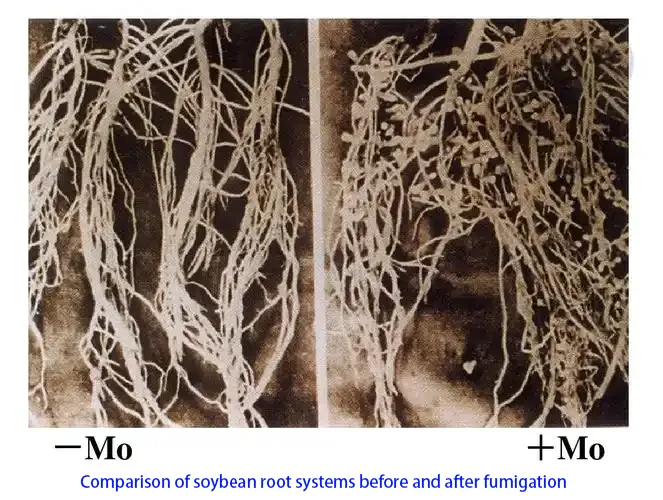
Suitable Crops and Typical Use Patterns
1,3-Dichloropropene is most often discussed in high-value systems where replant pressure and root quality standards are strict. Commercial programs frequently include:
- Potato — Tuber crops benefit from uniform stand and root-zone preparation in fields with recurring nematode history.
- Tomato — Fresh and processing tomatoes are commonly transplanted into treated beds or rows in intensive production regions.
- Pepper — Protected and open-field pepper farms often schedule fumigation ahead of drip installation and transplanting.
- Cucumber and melon — Cucurbit rotations with short windows can accumulate soil pest pressure without structured treatment.
- Strawberry — Perennial and annual strawberry systems may use pre-plant treatment where registration allows and agronomic plans require it.
- Tobacco — Seedbed and field programs in select regions reference soil treatment as part of broader pest management.
- Carrot and other root vegetables — Crops with fine root systems can be sensitive to early pest damage, making pre-plant planning important.
Crop fit is only one variable. Soil texture, organic matter, previous crop history, and local registration status must be confirmed before use. International importers should verify end-use compliance in the destination market and request technical documentation from the manufacturer or exporter early in the sourcing process.
Market Impact: What Buyers and Distributors Are Seeing
Demand for soil fumigation inputs tends to track planting seasons rather than calendar quarters. In major production regions, procurement teams often book mixed-isomer material for broad field programs while specifying trans-1,3-Dichloropropene where tighter isomer control is required for formulation or premium crop protocols. Price, lead time, and packaging availability can tighten when domestic application seasons overlap with export shipments.
For distributors, the operational risk is not only product cost but supply continuity. A missed delivery window can delay treatment across multiple grower clients. That has pushed more B2B buyers toward exporters who can document lot traceability, provide COA per shipment, and support drum, IBC, or ISO tank formats depending on volume.
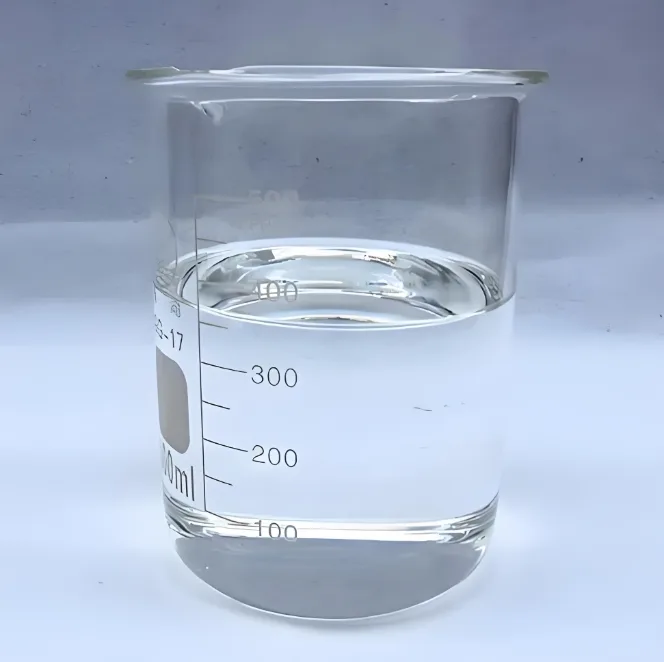
Company Perspective: Sourcing from a Reliable Export Partner
Zibo Yixiao Trading Co., Ltd. works with international buyers who need consistent specifications, export documentation, and practical logistics coordination—not just a quoted price per ton. As a China-based trading company focused on chlorinated agricultural and industrial chemicals, we support B2B customers sourcing 1,3-Dichloropropene (Mixed) and trans grades for approved end uses in their markets.
Procurement teams typically ask us about:
- Export experience — Documentation support, packing list and invoice coordination, and communication with freight forwarders.
- COA support — Lot-specific certificates of analysis and SDS files for quality review before shipment.
- Stable quality — Clear grade discussion (assay, isomer distribution where applicable) aligned to customer specifications.
- Bulk supply — Volume planning for seasonal fumigation windows, subject to production and shipping schedules.
- Flexible packaging — 200L drums, 1000L IBC totes, and 20T ISO tanks via our packaging options.
- International B2B service — Responsive inquiry handling for distributors, formulators, and large growers with defined incoterms (FOB, CFR, CIF).
We do not replace local agronomic advice or regulatory registration in your country. Our role is to help qualified buyers secure material that matches agreed specifications and arrives with the paperwork their import process requires. Learn more about our company on the About Us section of our website.
Handlers should always review the current SDS, use approved personal protective equipment, and respect buffer-zone and re-entry requirements defined by local authorities. 1,3-Dichloropropene is a hazardous volatile liquid (UN 2047), and responsible sourcing includes planning for safe storage, transport classification, and on-farm application training—not only commercial terms.
Future Trends in Soil Health and Fumigation Planning
Industry conversation around crop protection and soil health is evolving, but pre-plant treatment remains relevant where pest pressure is measurable and economic thresholds are clear. Several trends are shaping how growers and buyers plan ahead:
- More fields are mapped with nematode assays before treatment decisions are made.
- Application teams emphasize sealing, aeration timing, and worker safety training as regulatory scrutiny continues.
- Distributors prefer suppliers who can provide repeatable documentation and predictable packaging—not ad hoc spot loads.
- Integrated programs combine fumigation with rotation, organic amendments, and resistant varieties rather than treating chemistry as a standalone fix.
For international markets, the long-term outlook favors suppliers who communicate clearly about specifications, lead times, and compliance boundaries. That transparency supports better planning for vegetable production, potato production, and tomato farming networks that depend on seasonal inputs arriving on schedule.
Conclusion
Growers are not choosing 1,3-Dichloropropene because it is new—it is because pre-plant soil fumigation remains a practical tool when nematode pressure, crop value, and field history justify treatment. Used responsibly within local regulations, it supports cleaner root-zone conditions at planting and helps production managers protect yield stability in demanding cropping systems.
If you are an importer, distributor, or agricultural chemical company evaluating supply for the upcoming season, we welcome a technical and commercial discussion. Share your target grade, volume, destination port, and documentation requirements so we can confirm availability and lead time.
Frequently Asked Questions
What is 1,3-Dichloropropene used for in agriculture?
How does soil fumigation support nematode control?
Which crops commonly use 1,3-Dichloropropene before planting?
What should B2B buyers verify when sourcing 1,3-Dichloropropene?
Does Zibo Yixiao Trading supply bulk 1,3-Dichloropropene for export?
Request a quotation, COA sample, or MSDS for your market and volume requirements.