This guide breaks down the core factors influencing current allyl chloride prices, the global supply-demand landscape, and how overseas buyers can select stable, high-quality supply chain partners.
1. Key Factors Influencing Allyl Chloride Prices and Costs
Understanding the production cost structure helps buyers evaluate market quotes more objectively. Allyl chloride prices are typically driven by three main factors:
Fluctuations in upstream raw materials
Allyl chloride synthesis relies heavily on gaseous propylene and liquid chlorine. Price trends and supply changes in upstream crude oil and olefin feedstocks directly impact the overall production cost of allyl chloride. As geopolitical tensions between China and Iran have eased, prices for gas-based chemicals have moderated; combined with seasonal factors, domestic allyl chloride prices in China have seen repeated declines. Manufacturers are now selling at levels that prioritize cost recovery.
Environmental and safety compliance costs
With increasingly strict regulations regarding the production and emissions of hazardous chemicals, investments in environmental protection equipment and safety measures—while enhancing product purity and stability—constitute a significant portion of the base production cost.
International logistics and hazardous goods transport
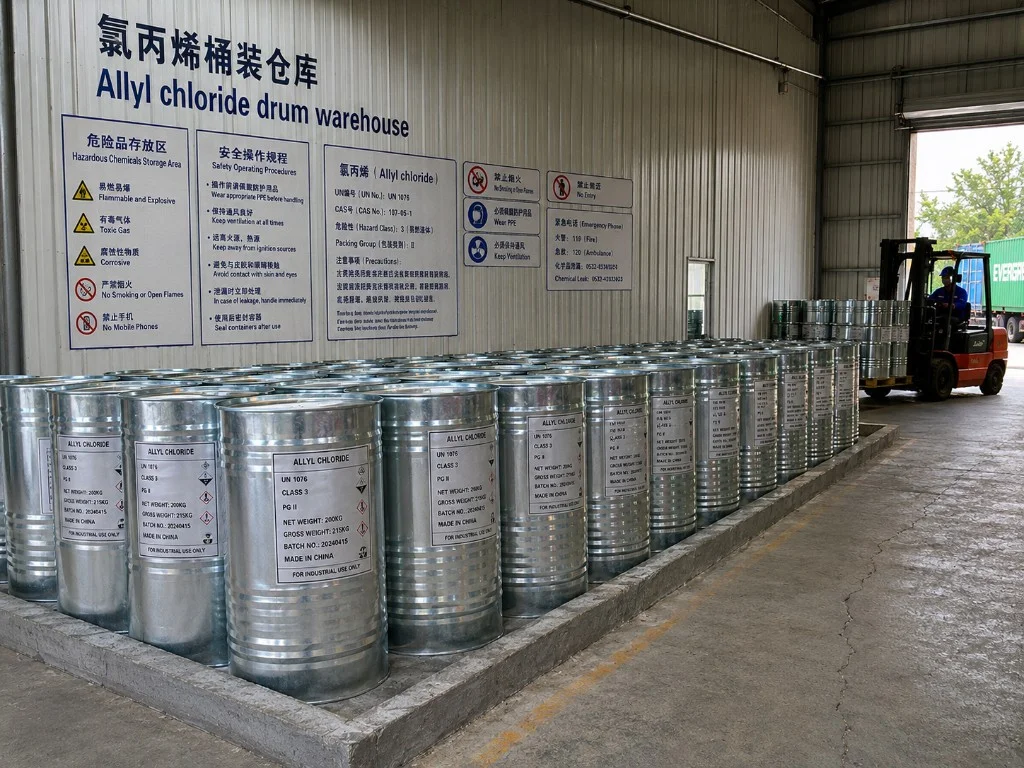
Classified as a Class 3 dangerous good (DG Class 3), allyl chloride is subject to variables such as ocean freight rates, hazardous packaging certification requirements, and logistics lead times, all of which directly affect the final landed cost for overseas importers.
2. Global Market Landscape: Observations on North American and Asian Markets
Global demand for chlorinated intermediates exhibits distinct characteristics based on regional industrial layouts:
US Allyl Chloride Market
Demand in the US market is primarily driven by downstream agrochemicals and specialty polymers. Due to high local production and compliance costs, many North American buyers are actively seeking partnerships with high-quality overseas manufacturers that offer cost-effectiveness and stable production capacity.
Asia's Manufacturing Advantage
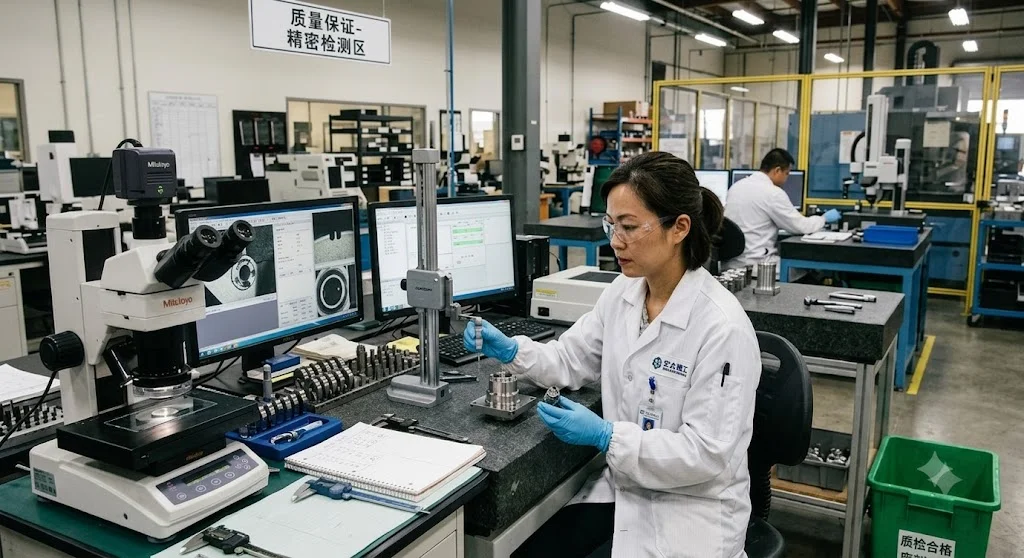
As a global hub for chemical manufacturing, Asia boasts a comprehensive industrial supply chain. Modern, standardized factories not only offer competitive pricing but also strictly adhere to international quality standards such as ISO and REACH.
3. How Can B2B Buyers Select a Reliable Allyl Chloride Supplier?
Beyond comparing prices, buyers should focus on a supplier's overall delivery capabilities:
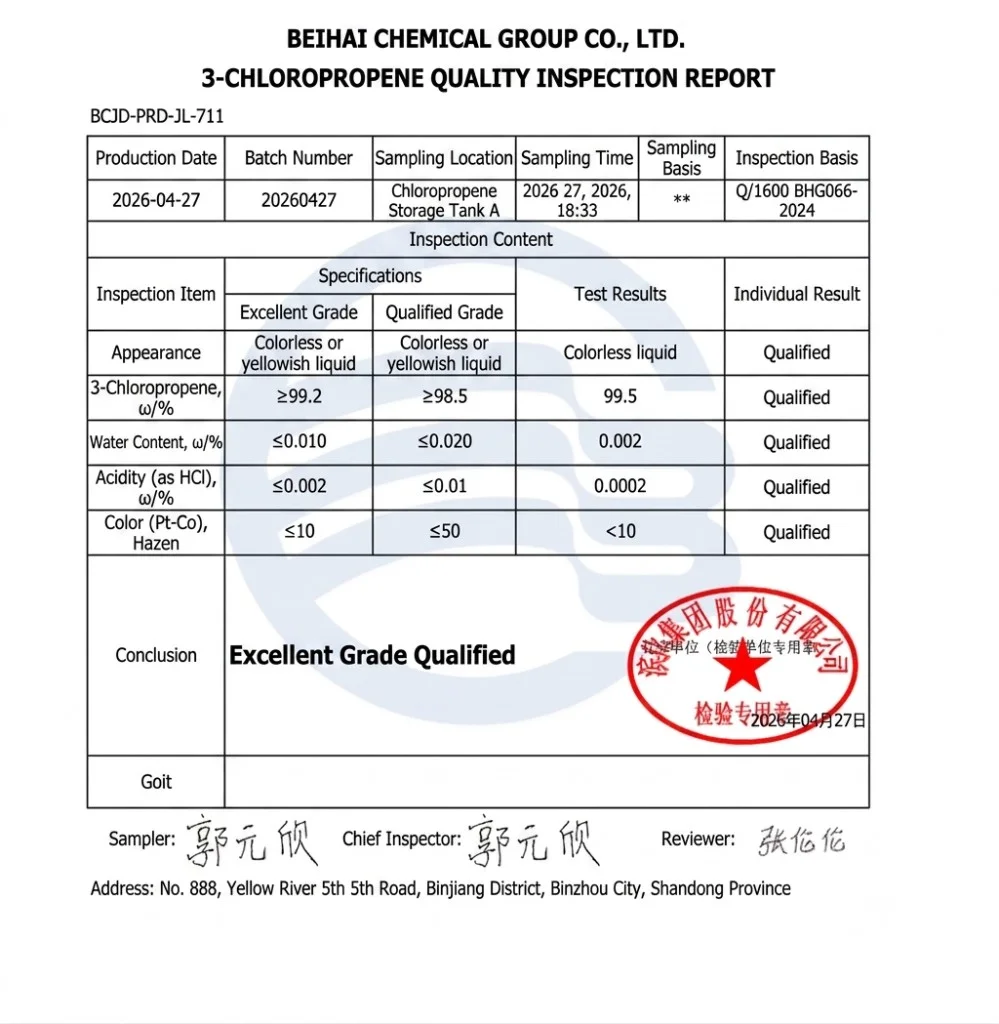
- Purity and Specifications: Confirm the supplier's ability to consistently provide high-purity grades (≥97.5% or >99%) with moisture and organic impurity levels that meet industrial synthesis standards.
- Hazardous Material Packaging & Export Qualifications: Verify that the facility is equipped with standard steel drums, IBCs, or ISO tanks and holds compliant hazardous goods export qualifications (e.g., dangerous goods packaging certificates).
- Quality Control & Technical Documentation: Ensure that every shipment includes a complete Technical Data Sheet (TDS), Safety Data Sheet (SDS), and Certificate of Analysis (COA).
Looking for a High-Quality Allyl Chloride Supply Chain?
To navigate price fluctuations in the global chemical market, choosing a reliable manufacturer is crucial. We specialize in the production and export of high-purity allyl chloride, offering strict quality control, stable delivery schedules, and competitive factory-direct pricing.
Frequently Asked Questions
What mainly drives Allyl Chloride prices?
Upstream propylene and chlorine costs, environmental and safety compliance investments, and Class 3 dangerous-goods logistics for overseas landed cost.
What purity grades should B2B buyers confirm?
Confirm consistent high-purity grades (≥97.5% or >99%) with moisture and organic impurity levels that meet industrial synthesis standards, backed by batch COA.
What documents should every shipment include?
A complete TDS, SDS, and COA for each shipment.
How can I get the latest Allyl Chloride quote?
Contact our sales team for the latest FOB, CIF, or DDP quotes, plus COA, TDS, SDS, and samples for testing.
Want the latest real-time market quotes (FOB, CIF, DDP)? Need a COA, TDS, or samples for testing?
Contact Our Sales Team TodayContact us today for product specifications, pricing, packaging options, and export services.