Introduction
As global agriculture faces ongoing challenges—soil-borne diseases, nematode infestations, and the need to maximize arable land utilization—soil fumigation has become a vital component of modern farming. Among the various soil fumigants available, 1,3-Dichloropropene (CAS No. 542-75-6) is widely used around the world thanks to its exceptional efficacy in controlling nematodes.
Entering 2026, demand for high-quality 1,3-Dichloropropene continues to grow steadily across North America (where it is classified for restricted use), Latin America, Europe (subject to strict regulation), Africa, and parts of Asia. Buyers are increasingly prioritizing product quality consistency, export capabilities, and long-term supply security when selecting a CAS 542-75-6 supplier.
This article provides a comprehensive overview of the market status, production processes, supply chain, safe transportation, agricultural applications, and future development trends of 1,3-Dichloropropene.
What is 1,3-Dichloropropene?
1,3-Dichloropropene is a chlorinated organic compound primarily used as a pre-plant soil fumigant. Commercial material is generally derived from the D-D mixture and obtained as a byproduct of allyl chloride production, then refined into mixed-isomer or trans-isomer grades depending on the intended use.
It effectively controls:
- Plant-parasitic nematodes
- Certain soil-dwelling pests
- Specific soil-borne fungi
- Weed seeds (when used in combination with other fumigants)
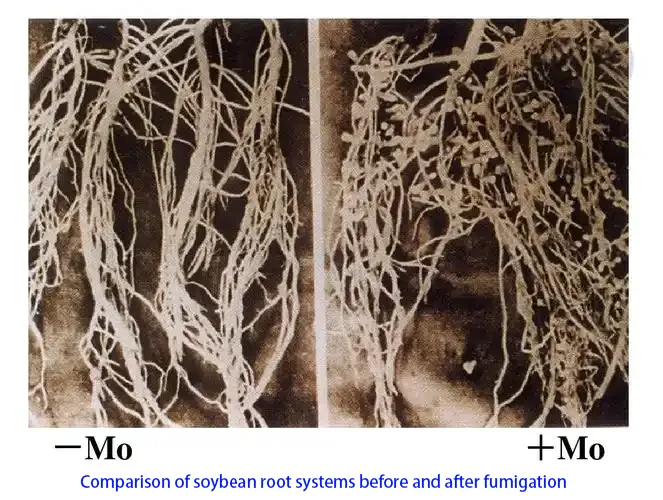
It can also be mixed with most other pesticides to achieve broader pest control and eradication. Thanks to its high volatility and ability to diffuse through the soil, it penetrates deeply into the ground, helping to boost crop yields and minimize losses caused by underground pests and diseases.
Key characteristics
- Colorless to pale yellow liquid
- Pungent odor
- Rapid volatilization, allowing for quick soil sanitization and faster readiness for planting
- Strong soil penetration capabilities when emulsified
Why is Global Demand Continuing to Grow?
Several structural factors keep driving demand for 1,3-Dichloropropene as a leading soil fumigant:
Rising global demand for food, vegetables, and fruits
Continued population growth places higher demands on agricultural output, increasing pressure to protect and maximize yields.
The development of intensive agriculture
Continuous cropping leads to the accumulation of soil pathogens and "soil fatigue," causing pest and disease populations to multiply exponentially in the soil. Crop rotation alone is often insufficient to meet production needs.
Increase in high-value-added cash crops
Examples include tomatoes, strawberries, chili peppers, potatoes, bananas, tobacco, and melons. Because these crops carry high economic value, growers are more willing to adopt soil fumigation technology to protect their investment.
2026 Global Market Trends
Latin America
Agricultural sectors in countries such as Brazil, Peru, Colombia, Chile, and Mexico continue to expand, maintaining strong demand for soil fumigants.
Africa
South Africa remains a key consumer market, while an increasing number of African nations are promoting modern agricultural techniques. Field research indicates that a large share of the farming population lacks comprehensive experience in fumigation methods and the strict usage requirements for pesticides. Consequently, market expansion in Africa requires not only increased product adoption but also the provision of adequate, professional training on product application.
Asia
China remains a major global production hub, with manufacturers continuously upgrading production processes and quality control capabilities. It is also a significant market for 1,3-Dichloropropene; given China's vast scale of seed production for grains, vegetables, and fruits, requirements regarding soil quality are becoming increasingly stringent.
Europe
Environmental regulations continue to tighten; suppliers possessing comprehensive quality documentation and compliance capabilities hold a competitive advantage. EU nations mandate strict REACH registration and impose rigorous volume controls.
Production and Quality Control
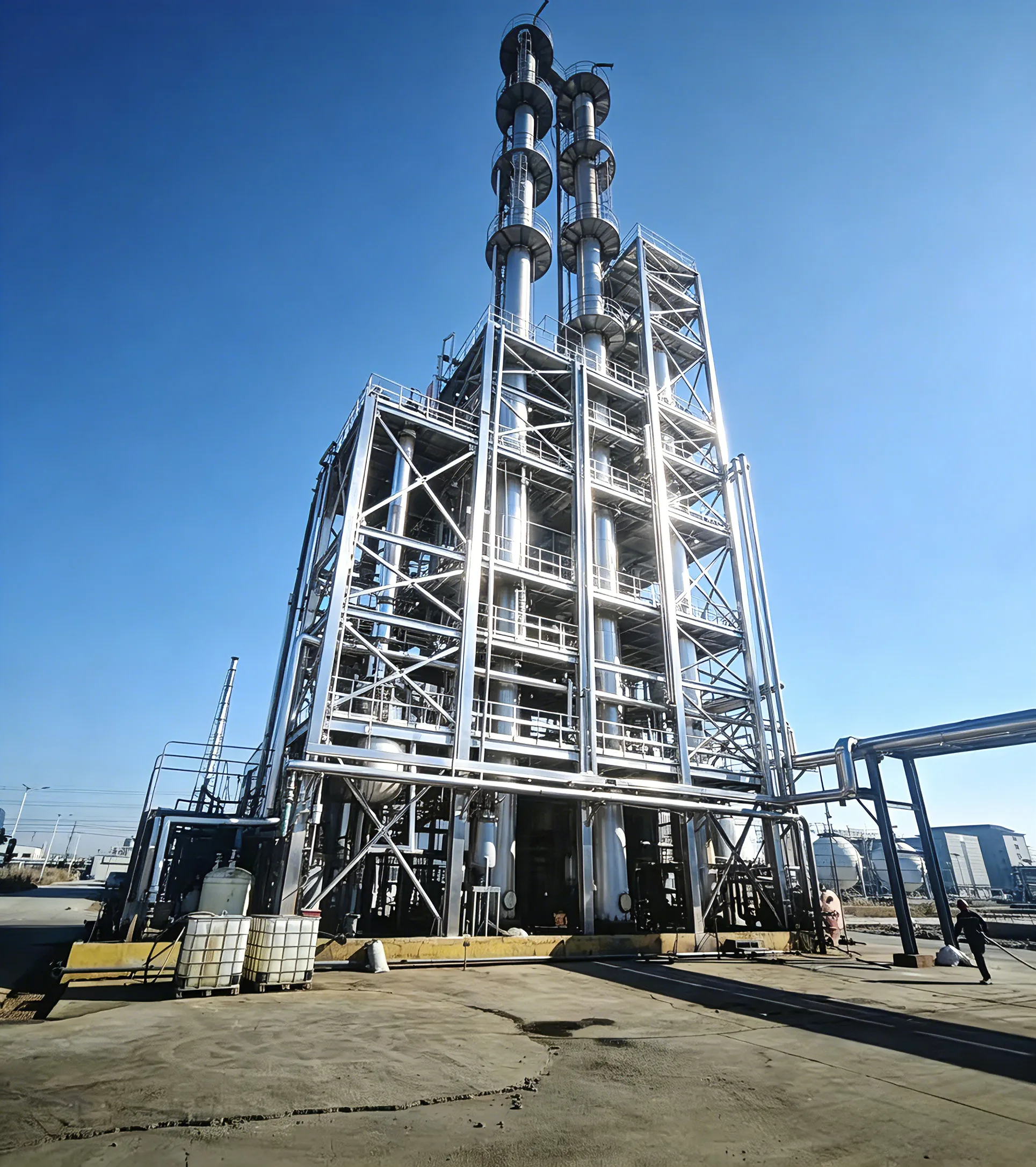
High-quality 1,3-Dichloropropene production typically relies on rigorous management systems, including raw material control, process stability, continuous rectification, finished-product testing, and batch traceability.
Standard quality documentation includes:
- COA (Certificate of Analysis)
- SDS (Safety Data Sheet)
- TDS (Technical Data Sheet)
- Packaging specifications
Stable production processes ensure product consistency across different batches — a decisive factor when buyers qualify a long-term CAS 542-75-6 supplier.
Global Supply Chain Challenges
The international chemical supply chain continues to face fluctuating ocean freight costs, container shortages, port congestion, regulatory disparities between countries, and exchange rate fluctuations.
Suppliers with export experience typically mitigate these risks through long-term logistics partnerships, effective inventory management, and flexible bulk options such as ISO Tanks that streamline large-volume shipments to distant destination ports.
Safe Storage and Transport
As a hazardous chemical, 1,3-Dichloropropene must be transported in compliance with local and international regulations. Key considerations include:
- Proper packaging (200L drums, 1000L IBC totes, and 20T ISO Tanks for bulk)
- Ventilated storage
- Temperature control
- Professional loading and unloading
- Leakage prevention
- Correct labeling
- Valid shelf life
International exports should generally be accompanied by complete shipping and customs clearance documentation.
Safe Agricultural Application
Practical application methods should be determined based on local regulations and specific crop requirements. General recommendations include:
- Thorough soil preparation
- Uniform injection of the product
- Prompt sealing of the soil
- Adherence to the required aeration period before sowing
- Compliance with local environmental regulations
Guidance from professional agricultural technicians is recommended during application to maximize efficacy and safety.
How to Choose a Reliable Supplier?
Purchasing decisions should not be based solely on price. Key factors to consider include:
- Production capacity
- Product consistency
- Export experience
- Completeness of technical documentation
- Communication efficiency
- Packaging methods (drums, IBC, and ISO Tanks)
- Delivery reliability
- After-sales service
Long-term partnerships often offer greater value than short-term low prices. A dependable 1,3-Dichloropropene supplier supports specification discussions, destination documentation, and lead-time planning ahead of peak fumigation windows.
Trends in Sustainable Development
Future agriculture will place greater emphasis on efficiency, environmental protection, and standardized production. Key areas for supplier development include cleaner production processes, robust quality management systems, digital production management, international certifications, and global logistics optimization.
Enterprises that excel in both product quality and service capabilities will maintain a competitive edge in the international market.
Conclusion
1,3-Dichloropropene remains a vital soil fumigant in modern agriculture. As global agriculture continues to evolve, the demand for stable supplies, high-quality products, and professional export services will persist.
For buyers, selecting a partner with stable production capacity, comprehensive quality documentation, and mature international logistics experience helps mitigate procurement risks, ensures long-term supply stability, and fosters sustainable partnerships.
Frequently Asked Questions
What is the CAS number of 1,3-Dichloropropene?
How is 1,3-Dichloropropene produced?
How is 1,3-Dichloropropene packed for export?
How do I choose a reliable 1,3-Dichloropropene supplier?
Ready to secure stable supply for the 2026 season? Get current pricing, COA samples, and ISO tank availability directly from the manufacturer-backed exporter.
Request 1,3-Dichloropropene Quote from Zibo YixiaoContact us today for product specifications, pricing, packaging options, and export services.