Shake-Up in China’s Allyl Chloride Chain: Plant Shutdowns and Run Cuts Hit Allyl Chloride, 1,3-Dichloropropene and 1,2-Dichloropropane
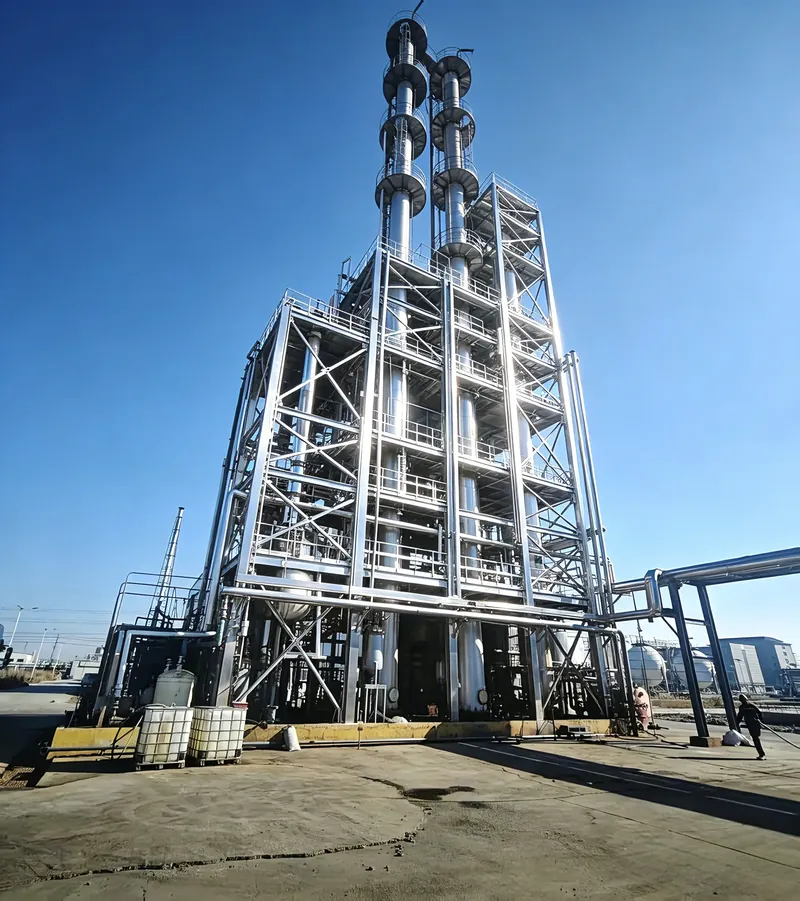
Information from our supply chain in Shandong on 4 November 2026 indicates that several Chinese allyl chloride producers have stopped production and others have cut operating rates. Plants have been losing money: allyl chloride and epichlorohydrin prices are low, while propylene and liquid chlorine costs keep rising. This is a shake-up for the whole allyl chloride product family: we expect allyl chloride prices — and the prices of the co-products made in the same units — to rise significantly in the coming weeks.
- What: some allyl chloride (CAS 107-05-1) plants in China have shut down; others have reduced output.
- Why: negative margins. Selling prices for allyl chloride and its main derivative, epichlorohydrin, are too low to cover rising propylene and liquid chlorine costs.
- Source: direct information from our supply-chain contacts in Shandong, 4 November 2026. We will update this page as details are confirmed.
- Likely effect: tighter supply and higher prices for allyl chloride, 1,3-dichloropropene, 1,2-dichloropropane and chloropropene light ends.
- What to do: confirm your volumes now and ask for firm quotations with a clear validity date.
1. What is happening
Our contacts report that production has been halted at some allyl chloride plants and reduced at others. Producers are cutting output to stop losses and to bring prices back to a level that covers cost. We are not naming individual companies, and the length of the outages has not been confirmed. We will update this page as more information becomes available.
2. Why plants are losing money
Allyl chloride is made by chlorinating propylene at high temperature, and most of it is converted into epichlorohydrin (ECH). When both allyl chloride and ECH prices are weak while feedstock costs climb, the margin disappears:
Cost pressure was already visible before this news. In mid-October the Shandong allyl chloride market rose by roughly US$60 per tonne in a week on stronger feedstock costs and reduced supply (our 20 October report), and we reported tight supply and rising prices for 1,2-dichloropropane in September (market watch). With feedstock still rising and output now falling, we expect prices to move up further.
3. Why one plant decision affects five products
The same high-temperature chlorination unit produces allyl chloride and several co-products. Their volumes cannot be raised on demand — they follow the allyl chloride run rate.
| Product | Link to allyl chloride production | Expected effect |
|---|---|---|
| Allyl chloride CAS 107-05-1 | Main product of the unit | Direct: less output, higher prices |
| Mixed 1,3-dichloropropene CAS 542-75-6 | Recovered from the by-product stream of allyl chloride units | Less allyl chloride output means less 1,3-D available |
| trans-1,3-Dichloropropene CAS 10061-02-6 | Refined from the same 1,3-D stream | Follows 1,3-D availability |
| 1,2-Dichloropropane CAS 78-87-5 | By-product of allyl chloride units (also produced by chlorohydrin-route propylene oxide plants) | Supply from allyl chloride units falls; the overall effect also depends on propylene oxide output |
| Low-boiling chloropropene mixture | Light-ends stream from chloropropene production | Available volume falls with run rates |
4. Possible market impact
- China, next few weeks: domestic allyl chloride quotations are likely to rise. Some producers may limit new orders or shorten offer validity.
- Co-products: 1,3-dichloropropene and 1,2-dichloropropane offers are likely to firm as by-product volumes fall.
- Export buyers: higher Chinese costs will feed into FOB and CFR offers. Freight and exchange rates will decide the final delivered price.
- What could change this: a quick restart of the idled plants, lower propylene or chlorine prices, or weak downstream ECH demand could limit or reverse the increase.
5. What buyers should do now
- Confirm your requirements for November–December and the first quarter of 2027.
- Ask for firm quotations with a clear validity date — expect shorter validity than usual.
- Book ISO-tank and loading slots early; we load at Qingdao, the port closest to our factory.
- Keep your specification and documents ready (see our COA guide) so a new lot can be approved without delay.
Tell us the product, quantity and destination port — we will confirm what volume we can commit and our current price. WhatsApp / phone: +86 152 6436 1427.
Request a QuotationThis alert is based on industry information received by Zibo Yixiao Economic and Trade Co., Ltd. through its own supply-chain contacts on 4 November 2026 and reflects our assessment. It is not an official announcement by any producer, and actual outcomes may differ.